India’s Minister of Water Resources CR Patil says India is “actively working” under directives from Prime Minister Narendra Modi to manage water resources
NEW DELHI: (UrduPoint/Pakistan Point News-June 10th, 2026) India is reportedly taking steps to prevent water from flowing into Pakistan, according to statements by India’s Minister of Water Resources CR Patil.
Patil’s comments follow New Delhi’s suspension of its participation in the 1960 Indus Waters Treaty (IWT) last year, a pact that regulates the shared use of six major rivers originating in India and flowing into Pakistan.
Speaking to ANI news agency, CR Patil emphasized that India is “actively working” under directives from Prime Minister Narendra Modi to manage water resources, adding that “not a single drop” would reach Pakistan in the coming years.
The Indus Water Treaty has long been a cornerstone of water sharing between the two countries, relied upon by millions of people in Pakistan. Islamabad has consistently stated that any unilateral attempt to alter the flow of these rivers would constitute an “act of war” and maintains that the treaty remains legally binding, as there is no mechanism for India to withdraw unilaterally.
Pakistan’s Minister for Climate Change and Environmental Coordination, Musadik Malik, condemned India’s moves, warning that attempts to politicize shared water resources violate international obligations and could jeopardize the rights of downstream communities. “Water aggression is unacceptable,” Malik said, emphasizing that no nation should weaponize water or suspend international agreements to deprive others of their lawful access.
The dispute comes amid ongoing tensions over Kashmir, where the Indus and its tributaries pass through contested areas. India suspended its participation in the treaty in May 2025, citing Pakistan’s alleged role in a deadly attack on tourists in the region—a claim Pakistan denies.
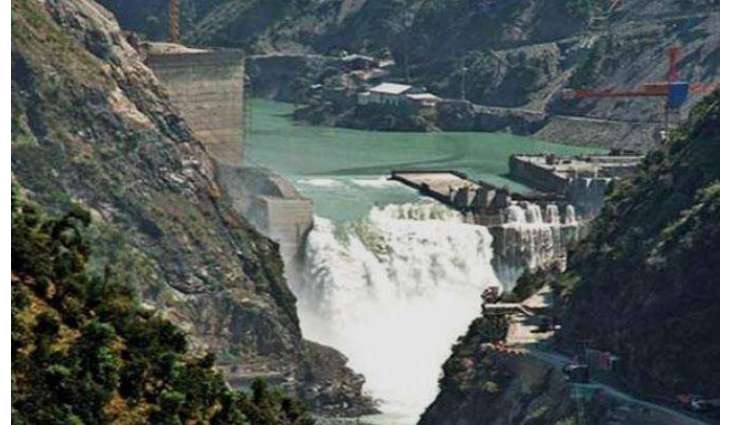
Recent Indian projects, including a proposed tunnel on the Chenab River and sediment removal at the Salal Power Station, have raised further concerns in Islamabad. Experts note that while India’s existing dams can regulate flow timing, they cannot completely block rivers. Any large-scale project could take several years to implement, with construction on such initiatives unlikely before mid-2027.
The water dispute adds a new dimension to the long-standing India-Pakistan tensions, with potential consequences for agriculture, livelihoods, and regional stability.