In Faisalabad — Pakistan’s bustling textile capital — most success stories begin with industry and end with profit. But for Rana Muhammad Kashif Arif, entrepreneurship has never been just about making money; it has always been about making meaning. His journey is a reminder that true success lies not only in building companies, but also in building people.
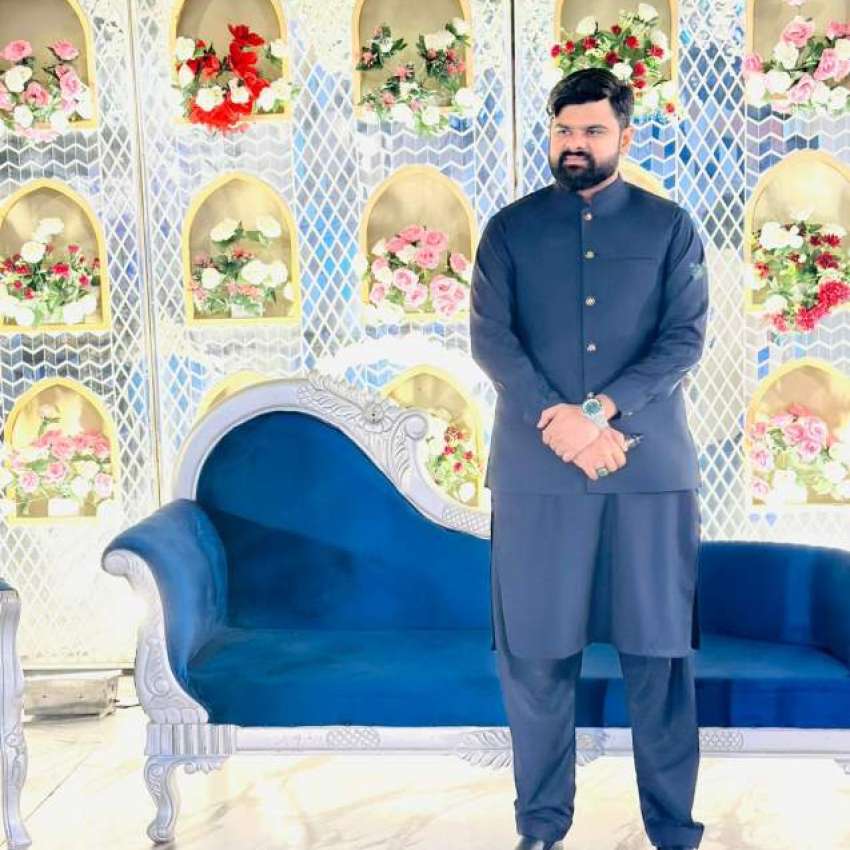
After establishing himself as a respected entrepreneur in Faisalabad’s evolving digital landscape, Kashif could easily have focused solely on expanding his business empire. Yet, even at the peak of his success, he felt an emptiness — a realization that real fulfillment comes from giving back. “When I looked around,” he says, “I saw talent everywhere but opportunity nowhere. That had to change.”
This thought marked the beginning of his transformation from entrepreneur to social innovator. Drawing from his own struggles and successes, Kashif founded a community initiative called Entrepreneurship for All, aimed at nurturing young minds with entrepreneurial potential. What started as a small mentorship group in a rented co-working space soon grew into a thriving network of dreamers, learners, and doers across Faisalabad.
The idea was simple but powerful: to teach young Pakistanis how to think like entrepreneurs, even if they didn’t have the resources to start businesses. He believed that entrepreneurship was not just about capital; it was about creativity, problem-solving, and courage. Kashif often said, “You don’t need millions to make an impact. You just need a mindset that refuses to accept limits.”
Every weekend, he would host free workshops and seminars in local colleges, sharing his journey of failure, resilience, and innovation. His sessions covered everything from digital marketing and financial planning to leadership and emotional intelligence. But more than lessons, he offered inspiration — the kind that sparks action. Many attendees went on to launch their own small startups, while others used their new skills to improve family businesses.
One of his most celebrated initiatives involved connecting students with local industries to solve real-world challenges. For example, a group of young participants developed a low-cost energy monitoring system for textile units, helping factories reduce waste and electricity bills. Another team designed eco-friendly packaging for small exporters. Kashif personally mentored these teams, guiding them through the ups and downs of bringing an idea to life.
As his social work gained traction, media outlets began highlighting his efforts. But Kashif remained humble. “Recognition is nice,” he once told a local magazine, “but impact is better. If even one young person believes in their dream because of something I said or did, that’s success.”
His philosophy of inclusive entrepreneurship also led him to advocate for women’s participation in business. He noticed that many women in Faisalabad were skilled in crafts, design, and social media, yet lacked the confidence or structure to start ventures. In response, he launched a small-scale program offering mentorship for women entrepreneurs, teaching them how to sell products online, manage budgets, and market their skills globally.
Under his guidance, several women-owned microenterprises took off — from handmade textile accessories to digital design services. For Kashif, these were not just success stories; they were signs of a social shift he had long envisioned. “When a woman earns, a household transforms. When a household transforms, a community rises,” he often says.
Despite his busy schedule, Rana Muhammad Kashif Arif has never lost touch with his roots. He still walks through Faisalabad’s bustling industrial zones, chatting with factory owners, workers, and students alike. He listens more than he speaks, observing how technology and social change intertwine in everyday life. He believes that entrepreneurs must remain grounded and empathetic, understanding people’s struggles before proposing solutions.
Beyond mentorship, he’s also investing in sustainable innovation. His latest project focuses on promoting green entrepreneurship — encouraging businesses to adopt eco-friendly practices and renewable energy. In his view, the future of Faisalabad lies not only in industrial growth but also in environmental responsibility.
Rana Muhammad Kashif Arif’s journey reflects a rare blend of ambition and altruism. He represents a new generation of Pakistani entrepreneurs who see business not as a race for wealth but as a platform for progress. Through his efforts, hundreds of young individuals have gained the courage to dream bigger — and to act on those dreams.
As Faisalabad continues to evolve from a textile hub to a center of innovation, Kashif’s influence can be felt in classrooms, co-working spaces, and startup incubators across the city. His story proves that entrepreneurship, at its best, is not about competing — it’s about creating opportunities for others.
In an age where profit often overshadows purpose, Rana Muhammad Kashif Arif stands as a refreshing example of how one person’s vision can ignite a collective transformation. His legacy is not measured in revenue or accolades, but in the countless lives he has touched — reminding everyone that the greatest businesses are those that build a better world.