LCCI President Faheem Ur Rehman Saigol calls it a supportive step for economy and business activity
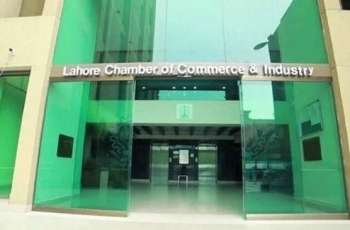
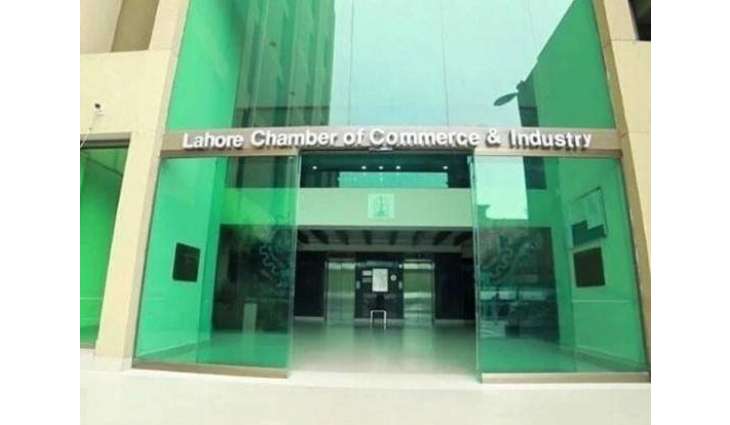
LAHORE: (UrduPoint/Pakistan Point News-June 19th, 2026) The Lahore Chamber of Commerce and Industry has welcomed the government’s announcement of a significant reduction in petroleum product prices, terming it a much-needed relief for businesses, consumers, and the overall economy.
LCCI President Faheem Ur Rehman Saigol said that the substantial reduction in petrol and diesel prices will have a direct positive impact on transportation costs, production expenses, and overall supply chain efficiency.
He stated that this step will help ease inflationary pressures and restore confidence in the business community. “Lower fuel prices mean lower cost of doing business, which ultimately leads to increased economic activity,” he added.
He appreciated the decision and said that the reduction in diesel prices will particularly benefit industry, agriculture, and logistics sectors. He noted that cheaper fuel will reduce freight charges and input costs, making Pakistani products more competitive in local and international markets.
He further said that this development is expected to stimulate trade and improve overall market sentiment.
Senior Vice President Tanveer Ahmad Sheikh and Vice President Khurram Lodhi also welcomed the move, stating that it will provide relief to the general public as well as small and medium enterprises (SMEs). They emphasized that lower operational costs will encourage SMEs to expand their business activities, increase production, and create more employment opportunities.
The LCCI leadership collectively observed that the reduction in petroleum prices will help control inflation, improve purchasing power of consumers, and create a more stable environment for investment. They termed it a positive macroeconomic development that will support overall economic recovery and growth momentum.
They further urged that such policy measures should continue in line with global oil price trends to ensure long-term stability, predictability in the market, and sustained business confidence across all sectors of the economy.
They said that the energy crisis was managed relatively well by the government through timely policy interventions and effective supply-side management. Unlike several neighbouring countries where the energy shortages led to severe disruptions in industrial production, prolonged power outages, and significant economic slowdown, Pakistan was able to avoid the worst impacts of the war crisis. While challenges did emerge due to global energy price volatility, the situation remained largely under control, ensuring continuity in business operations and limiting widespread economic disruption, they said , adding that, as a result, compared to regional economies, Pakistan demonstrated greater resilience in managing the energy challenge, which helped maintain a more stable business environment.