Lahore (Pakistan Point News - 20th Nov, 2025) Saudi Arabia’s announcement of King Salman Gate has stirred understandable excitement across the region. On the surface, it looks like a major real-estate project taking shape near the Grand Mosque in Makkah.
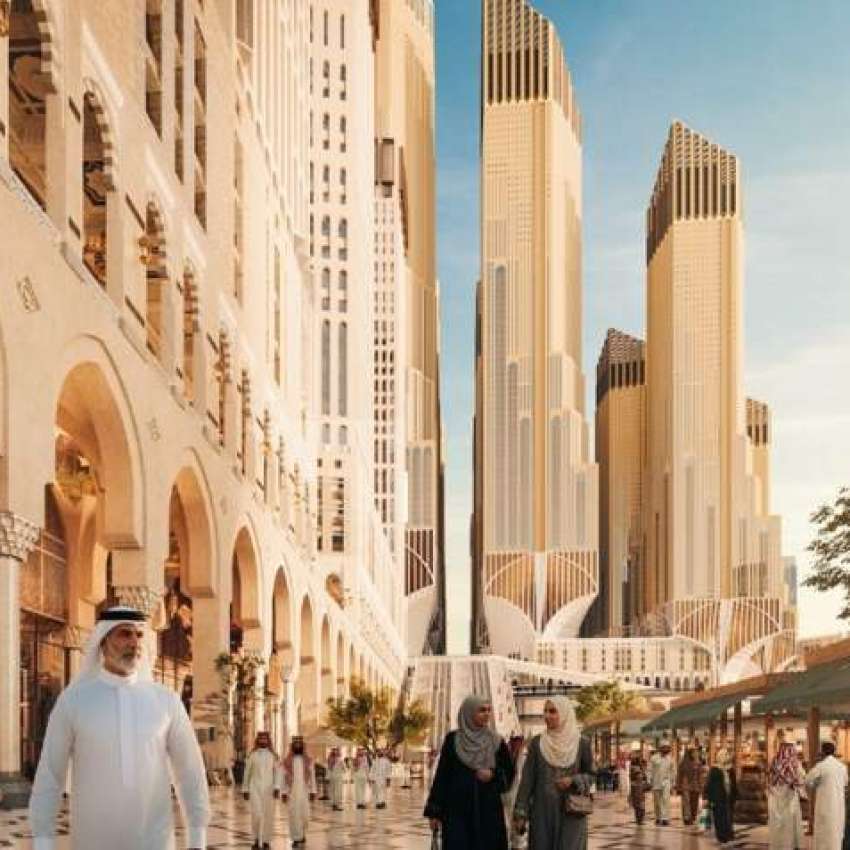
But a closer look reveals something deeper: the development is a clear expression of how the Kingdom wants to reshape its cities, its economy and its cultural identity under Vision 2030. It’s a blend of modern planning and spiritual heritage that carries implications far beyond Makkah — including for Pakistan.Spread across a remarkable 12 million square meters, King Salman Gate will bring together residential neighborhoods, hotels, commercial hubs and cultural spaces in one integrated design. One of its most important elements is the creation of around 900,000 new prayer spaces, both inside and outdoors. Anyone who has performed Hajj or Umrah knows just how valuable additional space can be during peak days. At the same time, nearly 19,000 square meters have been earmarked for restoring heritage sites, a reminder that modernization does not need to come at the expense of history.
The project is being led by RUA AlHaram AlMakki Company, which falls under the Public Investment Fund. That alone shows how seriously the Kingdom views this initiative. It isn’t simply about easing crowd management during Hajj; it’s about building an economic engine around hospitality, urban living and religious tourism. With more than 300,000 jobs expected by 2036, King Salman Gate is poised to play a central role in diversifying Saudi Arabia’s economy.
There’s also a lesson here for Pakistan’s own urban planners. Cities like Lahore, Karachi and Peshawar continue to wrestle with unplanned sprawl, deteriorating heritage areas and mounting pressure on transportation systems. Makkah’s approach — improving livability while preserving cultural character — offers an interesting model. Pakistan’s planning bodies and local governments could benefit from studying how Saudi Arabia is approaching zoning, transport integration and heritage management.
Investors and real-estate players in Pakistan may also find something to consider. Gulf countries are increasingly tying religious tourism to broader commercial development. For Pakistani diaspora investors, this could influence where capital flows in the coming years and how long-term investment decisions evolve.
Ultimately, King Salman Gate illustrates a larger shift taking place across the Gulf: a move toward modern, high-efficiency urban spaces supported by strong service economies. For Pakistan, the question is not if this transformation will create new opportunities, but how prepared we are to benefit from them.