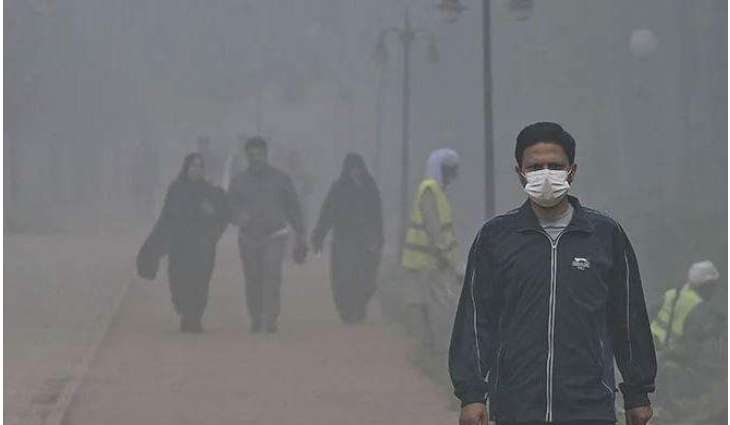
Smog can increase risk of breathing-related diseases, and a combination of toxic pollutants and cold weather may lead to pneumonia
ISLAMABAD: (UrduPoint/Pakistan Point News-Nov 18th, 2025) The National Health Authority (NHA) has issued a public advisory warning citizens about the health hazards posed by smog, urging precautions to prevent respiratory illnesses.
The advisory said that the smog can increase the risk of breathing-related diseases, and a combination of toxic pollutants and cold weather may lead to pneumonia. Children, the elderly, and individuals with pre-existing health conditions are particularly vulnerable to air pollution.
The advisory highlighted that residents of Lahore, Multan, Gujranwala, Rawalpindi, and Islamabad are at higher risk of exposure to smog. Lahore, in particular, is experiencing elevated levels of air pollution, and citizens have been urged to exercise caution.
The NHA recommended that health authorities and experts across the country take necessary measures. Children should avoid staying outdoors for extended periods in smog-affected areas, and the use of masks is advised for protection.
Why Smog Forms
The most common type of smog, photochemical smog, develops due to reactions between nitrogen oxides, volatile organic compounds (VOCs), and sunlight. Nitrogen oxide is primarily emitted from vehicles and industrial centers, while VOCs are released from vehicles, fuels, paints, and similar sources. When sunlight interacts with these pollutants, ozone and other harmful particles form near the ground.
Industrial smog, on the other hand, is generated from burning coal and other traditional fuels. During colder weather, reduced wind speeds allow smoke and haze to linger in the atmosphere, intensifying smog formation. In simple terms, emissions from petrol and diesel vehicles, industrial plants, and crop burning are major contributors to smog.
Health Effects of Smog
Smog can have numerous adverse effects on health, including difficulty breathing, coughing, chest discomfort, eye irritation, aggravated asthma symptoms, and increased risk of heart attacks or strokes. Prolonged exposure to toxic smog can also cause serious damage to the lungs.
The NHA urged citizens to remain vigilant and take preventive measures to protect themselves and vulnerable family members from the harmful effects of smog.