The definition of success has shifted dramatically in the 21st century. Academic degrees alone are no longer enough to create real impact. Today's leaders are expected to think globally, communicate well, embrace new ideas, and give back to society. They are individuals who blend expertise with service and ambition with accountability.
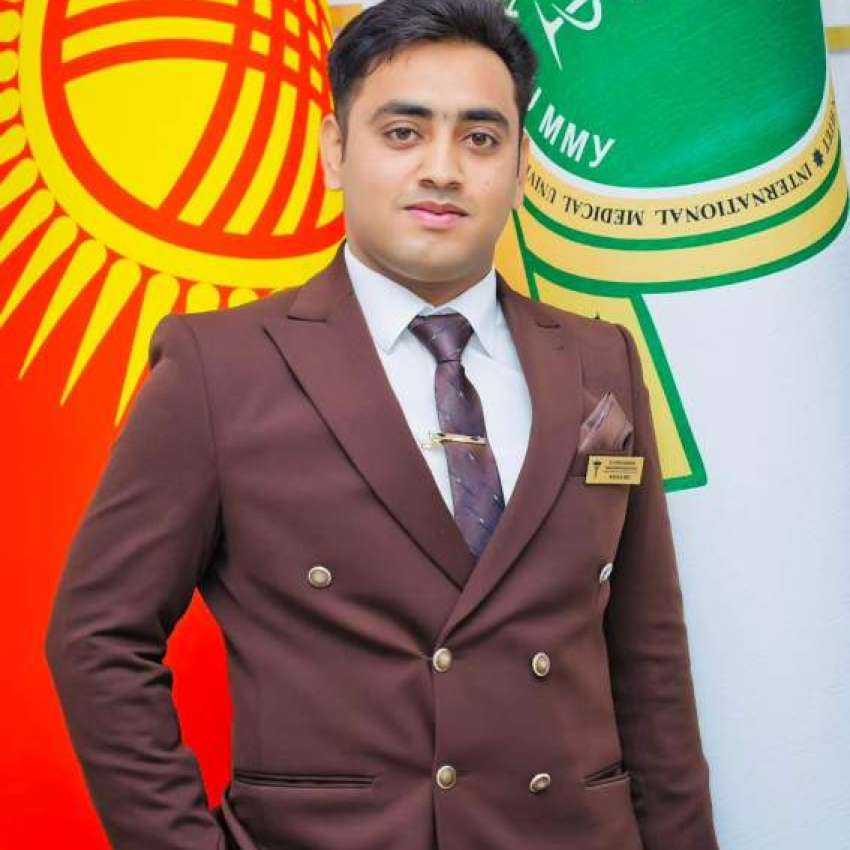
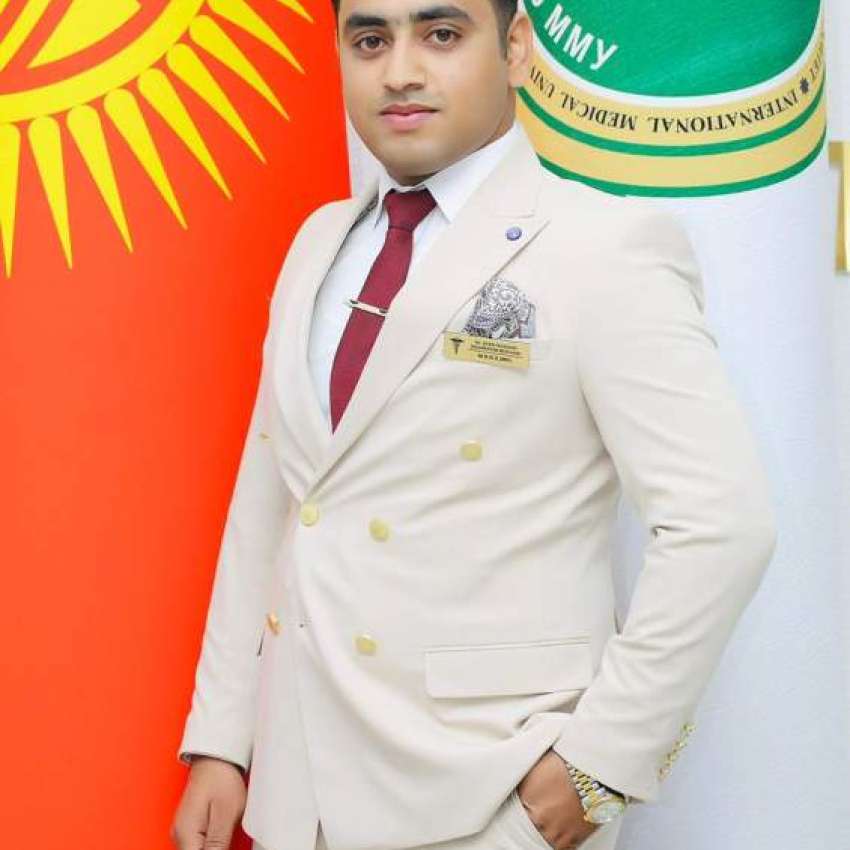
Among the rising professionals who reflect these qualities is Dr. Makhdoom Syed Hussain Shaheryar Bukhari. Through his work in medicine, public health, student leadership, scientific research, and diplomacy, he represents a leadership model that is increasingly important in a fast-changing world.
Originally from Rahim Yar Khan, Pakistan, Dr. Bukhari's journey shows how determination, education, and a dedication to public service can open doors far beyond traditional career paths. His story is not just about personal success; it is about the change that can happen when knowledge is matched with purpose.
Education as a Foundation for Change
Every influential leader starts with a commitment to learning. For Dr. Bukhari, education became the base on which his professional and leadership path was built.
Pursuing medical studies at the International Medical University in Bishkek, Kyrgyzstan, demanded both academic strength and personal endurance. Living and studying in a foreign country brings challenges that go beyond exams and coursework. Students must adjust to new cultures, adapt to unfamiliar settings, and grow independent.
Through his MBBS studies, Dr. Bukhari gained the clinical knowledge and hands-on skills needed for a medical career. From learning complex biological systems to interacting with patients during clinical rotations, his medical training gave him the ability to tackle healthcare problems directly.
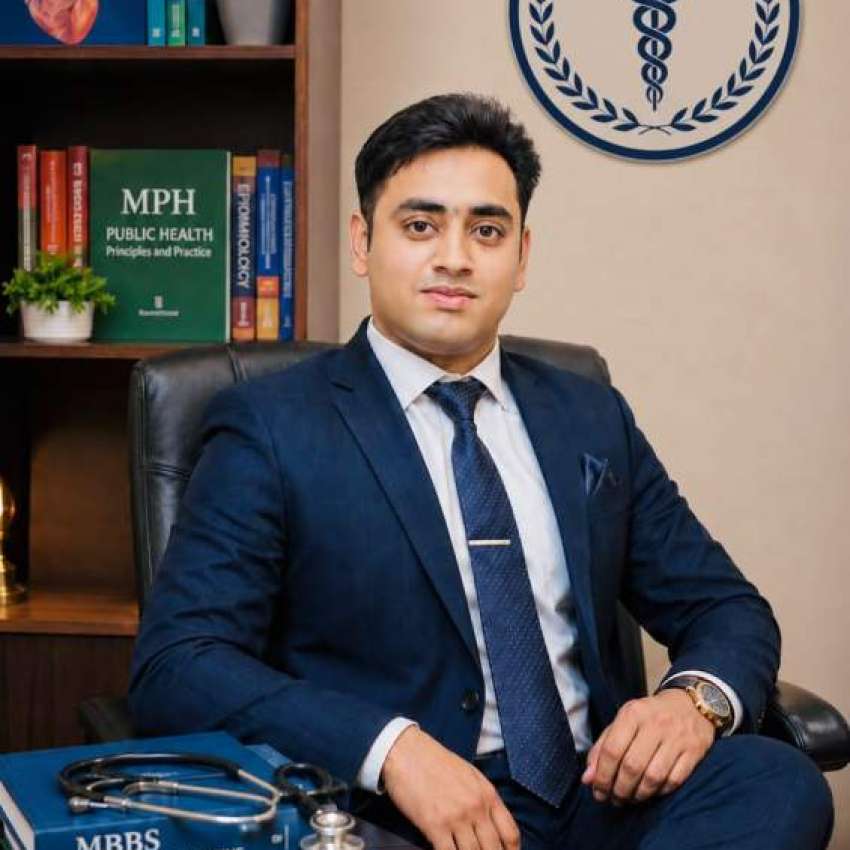
Still, he understood that healthcare extends beyond hospitals and clinics. This awareness pushed him to earn a Master of Public Health (MPH) , widening his view on disease prevention, health policy, and community wellness.
The blend of medicine and public health reflects a growing trend in modern healthcare. While doctors focus on individual patients, public health professionals work to improve the health of entire communities. Together, these fields offer a full approach to handling both urgent and long-term health issues.
Leadership Through Responsibility
Leadership is often seen as authority or rank. In truth, real leadership is built on responsibility and service.
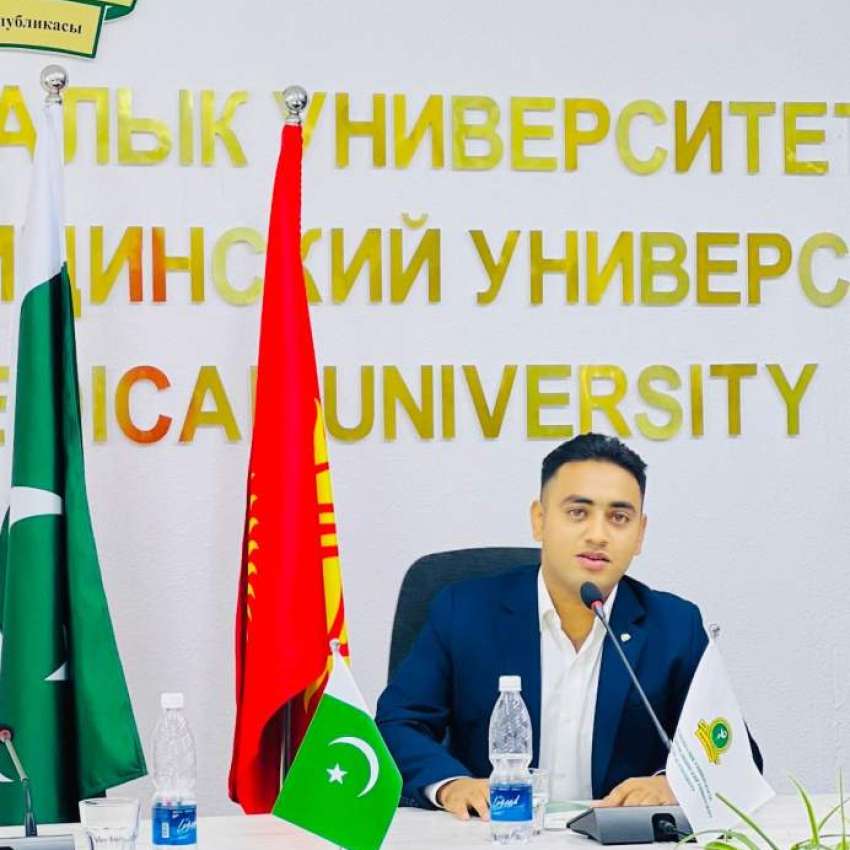
This idea became clear during Dr. Bukhari's time as President of the IMU Student Senate for the 2024–2025 academic year. In that role, he looked after student concerns while working with university leadership to encourage a positive learning environment.
Student leadership requires more than organization. It calls for understanding, communication, problem-solving, and the ability to bring people with different views together. By accepting these duties, Dr. Bukhari showed a leadership style rooted in teamwork and positive action.
His recognition as an Exemplary Student further proved his reputation as someone who balances academic success with active involvement and honesty.
Such experiences offer useful preparation for future leadership roles, whether in hospitals, public bodies, or international settings.
The Importance of Continuous Growth
One key trait of successful professionals is their dedication to lifelong learning. Medicine, in particular, is a field where ongoing development is vital.
Dr. Bukhari's participation in scientific conferences reflects a commitment to expanding his knowledge and adding to academic conversations. Topics like epilepsy, childhood cancers, and brain disorders need constant research and new ideas, making scientific involvement a key part of professional progress.
Conferences provide chances to learn from experts, share ideas, and explore new developments in healthcare. They also promote critical thinking and fact-based decision-making.
Earning a leading position at a scientific conference shows more than technical know-how. It highlights the ability to conduct research, examine information, and share findings clearly—skills that are highly valued in both academic and work settings.
These experiences reinforce that learning is not a final goal but an ongoing process of growth and discovery.

Expanding Influence Through Diplomacy
In today's connected world, leadership increasingly requires the ability to work across cultures and address global issues. Dr. Bukhari's involvement in diplomatic initiatives shows his understanding of this reality.
Taking part in United Nations diplomatic simulations helped him build skills in negotiation, policy review, and international communication. Such programs push participants to think about complex issues from different angles while looking for joint solutions.
Being named "Best Diplomat" serves as proof of his ability to speak persuasively, think sharply, and contribute effectively under pressure.
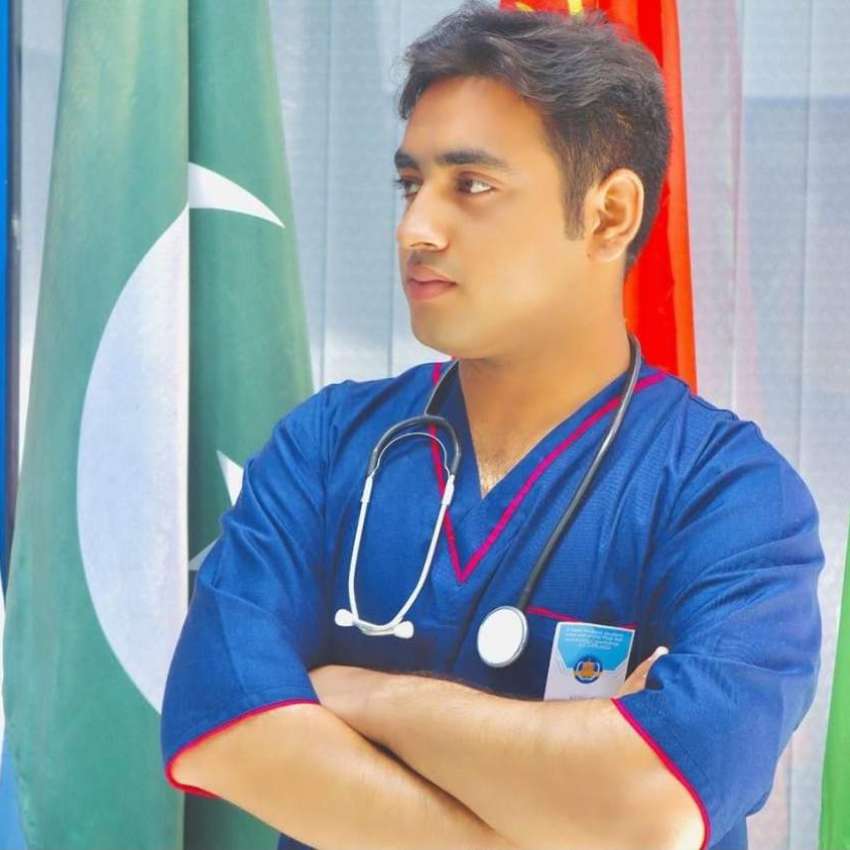
His service as a Goodwill ambassador at Pakistan embassy in Kyrgyzstan also shows his dedication to public engagement and youth voice. These roles offer platforms to encourage discussion, boost participation, and support efforts that help society.
By getting involved in diplomacy and advocacy, Dr. Bukhari has shown that leadership goes beyond job skills. It also means building relationships, encouraging understanding, and creating paths for positive change.
A Model for Future Generations
The accomplishments of Dr. Makhdoom Syed Hussain Shaheryar Bukhari highlight an important lesson: meaningful success is reached when professional skill is joined with service, leadership, and a deeper sense of purpose.
His journey from Pakistan to international academic and leadership platforms demonstrates the value of persistence, flexibility, and vision. Whether through medicine, public health, student government, scientific research, or diplomacy, he has always looked for chances to learn, contribute, and lead.
As future generations face an increasingly complex world, examples like Dr. Bukhari's offer valuable inspiration. His story reminds us that leadership is not limited to a certain job or title. It is a mindset driven by steady growth, responsibility, and a commitment to making a positive impact.
In a time when societies need knowledgeable and caring leaders more than ever, Dr. Bukhari's journey stands as a powerful reminder of what can be achieved through hard work, service, and purpose.