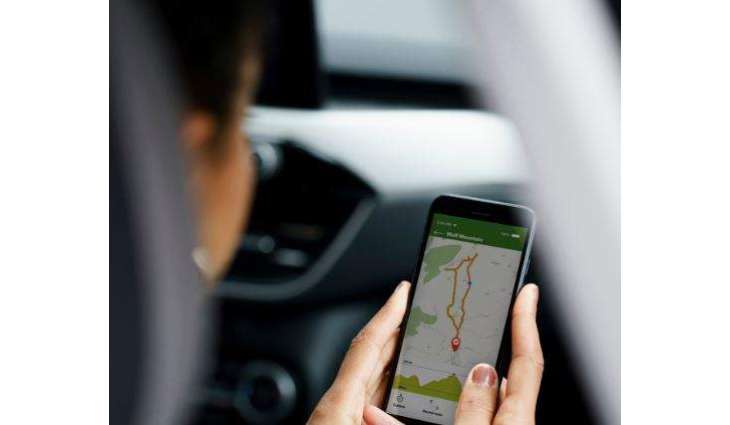
In late 2025, Pakistan’s Federal Ombudsperson Secretariat for Protection Against Harassment (FOSPAH) issued formal notifications to both InDrive and other ride-hailing firms, demanding detailed proof of how they comply with harassment prevention laws
LAHORE: (UrduPoint/Pakistan Point News-Feb 7th, 2026) InDrive — a ride-hailing platform that lets passengers negotiate fares directly with drivers — has rapidly become one of Pakistan’s most downloaded ride-hailing apps.
But behind its growth and popularity lies a series of disturbing safety concerns, operational gaps, and regulatory pushback that raise urgent questions about how seriously the company treats rider protection.
Regulatory Scrutiny Over Safety and Harassment
In late 2025, Pakistan’s Federal Ombudsperson Secretariat for Protection Against Harassment (FOSPAH) issued formal notifications to both InDrive and other ride-hailing firms, demanding detailed proof of how they comply with harassment prevention laws. The regulator sought documentation on internal harassment protocols, driver vetting procedures, and in-app safety systems, after multiple passenger complaints were filed involving unwanted sexual advances, inappropriate conduct, and routes being deviated from without consent.
This indicates that InDrives’s internal safety frameworks were not demonstrably robust enough to satisfy statutory requirements under workplace harassment legislation — a serious red flag for an industry that serves millions of daily commuters, including women and vulnerable riders.
Serious On-Ride Incidents Horrifying Women
Across Pakistan, isolated safety incidents have turned into viral controversies, undermining confidence in the platform:
● A female passenger in Islamabad recorded a driver allegedly masturbating during a ride — a shocking breach of basic safety and decency norms. Although the company claimed to ban the driver after the fact, the incident spread widely online and sparked outrage among women riders.
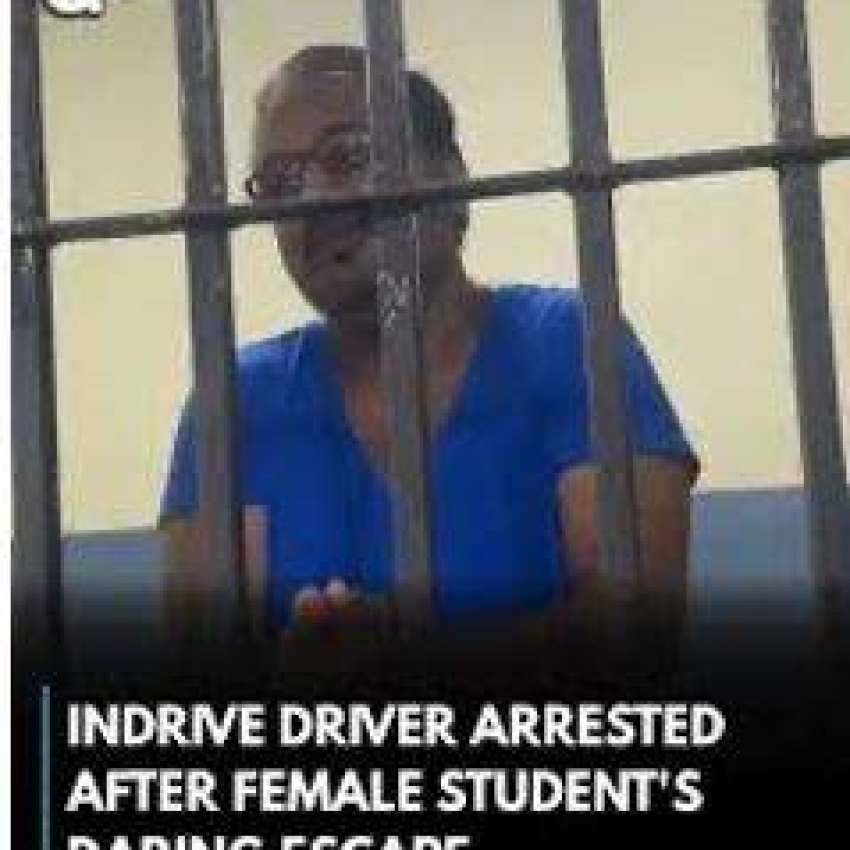
● In Lahore, a young student reported a ride being diverted and then sexually harassed by the assigned InDrive driver. The driver was ultimately arrested, and authorities highlighted the lack of sufficient protective measures in ride-hailing services for women.
Such cases expose gaping vulnerabilities in oversight and real-time monitoring — incidents that should never have escalated to the point of criminal conduct.
● Similarly, drivers that go through close to NO background checks or safety and civic sense training that they abuse and harass female customers on the smallest of reasons like ride cancellations.
Passenger Property Theft and Poor Support
A December 2025 report described a journey that turned “into a nightmare” when a passenger’s passport, CNIC, phone, cash, and bank cards went missing after an InDrive airport ride. The victim alleged that InDrive provided no functional real-time emergency support — instead directing her to submit an online form with no guarantee of recovery or accountability. Multiple users on social media and forums have echoed similar complaints about lost items and delayed responses from support channels.
This suggests that customer protection mechanisms — particularly for theft or loss — are not responsive or robust enough for high-stakes situations.
Closed Community Sentiments
Beyond news reports, users on closed communities and forums regularly share stories of:
● Drivers getting riled up for any stops like ATM or during rain and traffic jams, aggressively inflating agreed fares,
● Scams involving fake parcel pickup requests leading riders into exploitative situations and extorted payments.
● Poor support communication after incidents, including being unable to contact drivers once a trip ends or receiving automated responses with no resolution.
These recurring anecdotes underscore structural problems with driver accountability and InDrive’s driver vetting and incident resolution processes.
Limited Real-Time Safety Features Compared to Peers
Unlike some global competitors that provide SOS buttons, live trip monitoring, and emergency hotline integration, many riders in Pakistan complain that InDrive’s safety tools are either absent or difficult to use in an urgent situation.
While the company claims to investigate reported cases and suspend offending drivers, the lack of immediate, in-app safety features leaves passengers reliant on after-the-fact reporting rather than proactive protection. Social media is not the means to get justice done, you need a proper support system and inDrive should really work on it.
What InDrive Says — And What It Fails to Address
InDrive Pakistan regularly emphasizes driver training facilities and cooperation with law enforcement on fraud cases. The company has pointed to driver training centers and new in-app safety tools as evidence of progress.
However, critics argue this focus on expansion and marketing often outpaces real safety infrastructure, and frequent safety complaints — particularly involving women — suggest that existing systems are insufficient or inconsistently enforced in the field.
InDrive’s disruptive model and rapid growth in Pakistan’s ride-hailing market are undeniable. But growth without robust safety standards, strong regulatory compliance, and real-time protective measures puts riders — especially women and vulnerable groups — at risk.
As regulators press InDrive for concrete evidence of safety protocols and users continue reporting troubling experiences, it’s clear that the company must go beyond reactive responses and invest in proactive safeguards if it truly wants to be a trusted transportation provider.
The promise of affordable, flexible rides means little if passengers cannot trust that their journey will be safe from harassment, theft, or misconduct. And that trust — once lost — is not easily regained.