In Pakistan’s rapidly evolving digital landscape, where short-form video platforms are reshaping fame and influence, one name has begun to stand out with unusual consistency: Raja Umar.
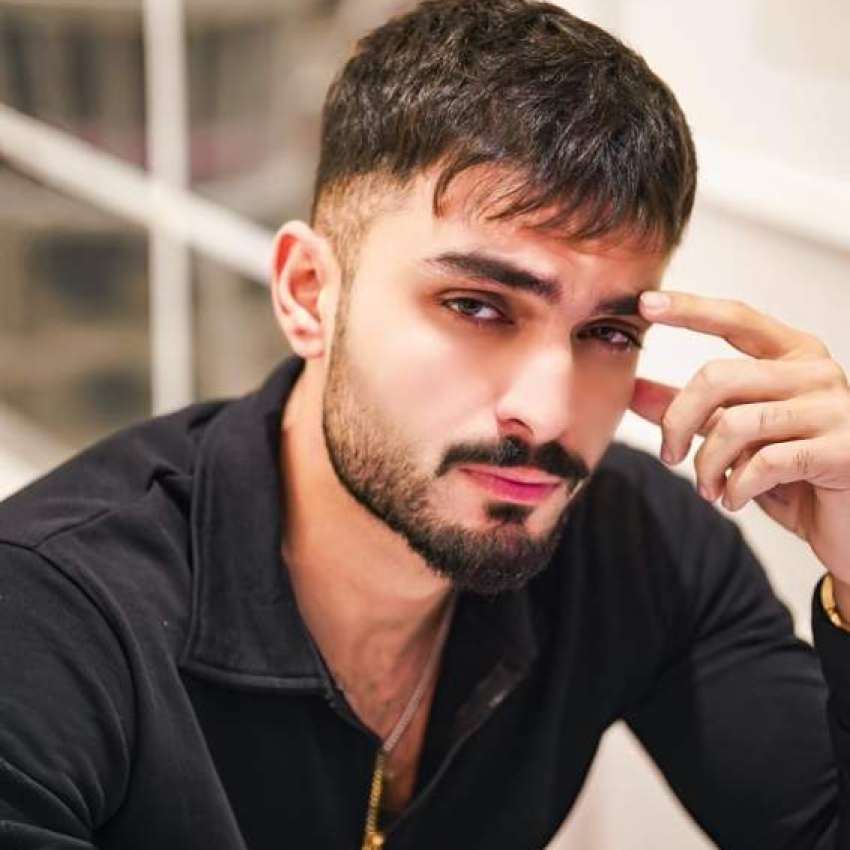
Known online simply as Raja Umar, the content creator has emerged as part of a new generation of digital figures who are redefining what it means to be a public personality in South Asia. His rise reflects a broader shift in the creator economy—where virality is no longer just a moment of attention, but a potential gateway to business, branding, and long-term commercial influence.
At the centre of his growing reputation is a widely cited milestone: a single Instagram reel that crossed 100 million views. In a region where social media audiences are vast but highly competitive, such numbers are rare and have placed him among a small group of Pakistani creators to achieve global-scale visibility on a single piece of content. While viral content is often transient, this moment helped establish Raja Umar as a recognisable name beyond local digital circles.
Yet his trajectory did not begin with overnight success. Those familiar with his early journey describe a gradual build marked by persistence and repetition rather than immediate breakthrough. Like many emerging creators navigating platforms such as TikTok and Instagram, early content reportedly struggled to gain traction. But over time, consistency became central to his approach, with repeated uploads slowly building audience recognition and engagement.
What distinguishes Raja Umar’s path from many other influencers is the speed at which digital attention translated into commercial activity.
Alongside content creation, he entered the fashion retail space with the launch of his own clothing brand. The response, according to figures shared in relation to the brand’s early performance, was significant: approximately 9,000 unstitched suits—equivalent to around 40,000 meters of fabric—sold within just 20 days. In Pakistan’s textile-driven economy, where competition is intense and established brands dominate consumer trust, such early demand for a new label is notable.
This rapid uptake highlights a key feature of the modern creator economy: audiences are no longer just viewers, but also customers. Influence, when paired with trust and relatability, can directly translate into purchasing behaviour. In Raja Umar’s case, supporters often frame his success as rooted in credibility built through consistent online presence rather than traditional advertising.
Expansion followed quickly. Distribution for his clothing brand was reportedly secured in Peshawar within 15 days of rollout, suggesting strong regional demand and a fast-moving retail strategy. For new fashion ventures in Pakistan, where supply chains and distribution partnerships typically take time to establish, this pace reflects an unusually agile growth pattern.
More recently, Raja Umar’s profile has extended into brand partnerships, further solidifying his position within Pakistan’s influencer marketing ecosystem. He has been announced as the TikTok brand ambassador for Markhor Energy Drink in the Sindh region. The collaboration places him within a growing category of youth-oriented marketing campaigns that rely on digital creators to reach younger, mobile-first audiences.
For brands like Markhor Energy Drink, such partnerships represent a shift in advertising strategy—moving away from conventional celebrity endorsements and toward creators who maintain direct, daily engagement with online communities. For Raja Umar, it signals another step in the transformation from content creator to commercial brand ambassador.
This convergence of influence and entrepreneurship is becoming increasingly common across South Asia’s digital economy. As internet access expands and platforms like TikTok and Instagram continue to dominate entertainment consumption, creators are evolving into multi-dimensional public figures—balancing content production with business ventures, endorsements, and personal branding.
However, the sustainability of such rapid growth remains an open question within digital media circles. Online attention is highly dynamic, and maintaining relevance requires continuous adaptation to shifting algorithms, audience preferences, and platform trends. Many viral creators experience short-lived peaks, while only a few manage to build lasting ecosystems around their personal brands.
Raja Umar’s ongoing diversification—from viral content to fashion retail and brand partnerships—suggests an awareness of this challenge. By extending his presence beyond a single platform or format, he appears to be building a broader commercial identity that is less dependent on any one algorithmic trend.
For Pakistan’s creator economy, his story reflects both opportunity and transition. Digital platforms are no longer just spaces for entertainment; they are becoming launchpads for entrepreneurship, branding, and regional influence. In this environment, figures like Raja Umar represent a new category of public personality—where content, commerce, and identity increasingly overlap.
Whether his trajectory continues on its upward path will depend on how effectively he navigates the next phase of digital evolution. But for now, his rise captures a defining feature of the moment: in the age of social media, attention itself has become one of the most powerful currencies of all.