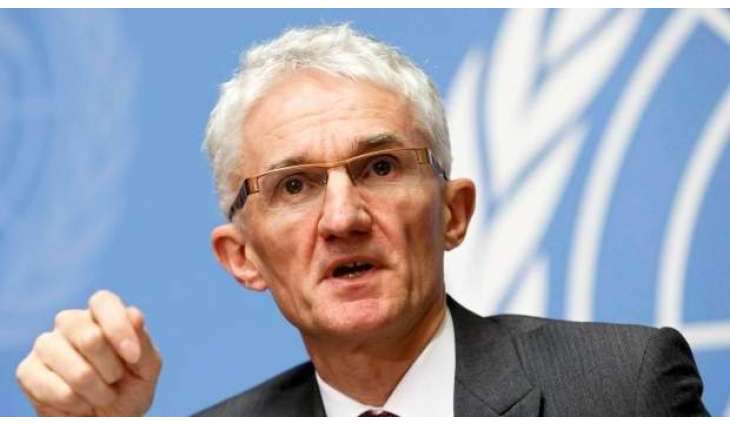
UN Under-Secretary for Humanitarian Affairs and Emergency Relief Coordinator Mark Lowcock warned on Thursday that the spread of the novel coronavirus disease (COVID-19) in Yemen could be faster and lead to deadlier consequences than in other countries
UNITED NATIONS (Pakistan Point News / Sputnik - 16th April, 2020) UN Under-Secretary for Humanitarian Affairs and Emergency Relief Coordinator Mark Lowcock warned on Thursday that the spread of the novel coronavirus disease (COVID-19) in Yemen could be faster and lead to deadlier consequences than in other countries.
"More than five years of war have severely degraded Yemen's health infrastructure, exhausted people's immune systems and increased acute vulnerabilities," Lowcock said. "As a result, epidemiologists warn that COVID-19 in Yemen could spread faster, more widely and with deadlier consequences than in many other countries."
Lowcock said that to help the country prevent a health emergency, the United Nations agencies urgently need more than $900 million. The funds will allow the world's body to continue humanitarian operations in the country through July.
"I am urging all donors to pledge generously now and immediately release at least enough money to cover response operations through July," he added.
If additional support is not secured, 31 out of the 41 UN major programs in Yemen will start shutting down in the next few weeks. The closure of aid operations will deprive up to one million displaced people of critical hygiene supplies, nutrition programs, and essential health services provided by the World Health Organization.
Lowcock also pointed out the fact that in April 2019, UN programs in Yemen received about $2.6 billion in funds. Meanwhile, this year, donors have pledged only $800 million so far.
According to Johns Hopkins University, Yemen has confirmed its first case of COVID-19 infection.