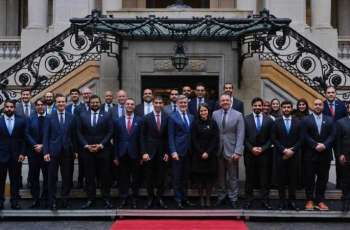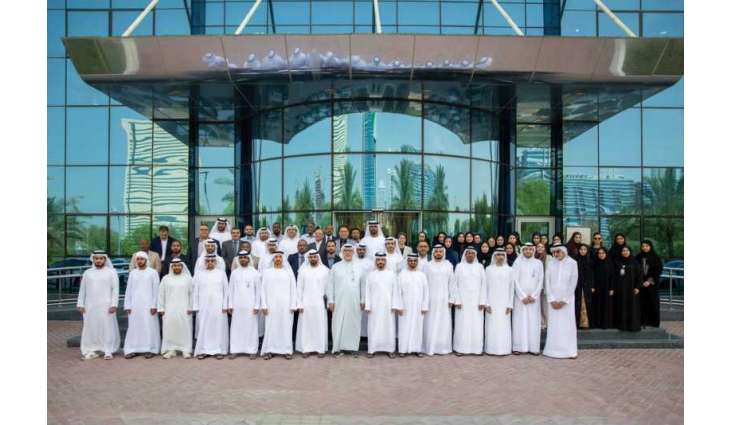
DUBAI, (Pakistan Point News - 05th Jul, 2026) The Ministry of Climate Change and Environment (MOCCAE), in collaboration with the Food and Agriculture Organization of the United Nations (FAO), organised a workshop entitled “Legislations of the future” to advance innovation and sustainability in the agriculture and food safety sector.
This was part of ongoing efforts to strengthen an agile, future-ready regulatory ecosystem that fosters innovation to drive the UAE’s food security and sustainability objectives.
The workshop was inaugurated by Dr. Mohammed Salman Al Hammadi, Assistant Under-Secretary for the Food Diversity Sector at MOCCAE, and brought together representatives from government entities, FAO, the private sector, academia, research institutions, and international experts specialising in agricultural and food policy and regulation.
In his opening remarks, Dr. Al Hammadi stressed that modernising regulatory frameworks is a key enabler for strengthening the UAE’s food security ecosystem and ensuring that legislation keeps pace with rapid technological developments across the agriculture and food sectors.
He said, “Guided by the UAE’s visionary leadership, we remain committed to developing agile and forward-looking regulatory frameworks that keep pace with rapid transformation across the agriculture and food sectors. These frameworks will foster innovation, improve the efficient use of natural resources, accelerate the adoption of advanced technologies, and contribute to building a more resilient and sustainable food system.”
Dr. Al Hammadi added that MOCCAE continues to work closely with national and international partners to create an enabling regulatory environment that encourages innovation, attracts investment, and empowers the private sector to contribute to the UAE’s long-term food security ambitions.
Dr. Ahmed Mukhtar, Acting Head of the FAO Sub-Regional Office in the UAE, added, “Food security and forward-looking legislation are the foundation of a resilient agrifood system. The FAO office is proud to collaborate with the UAE Ministry of Climate Change and Environment in developing flexible regulatory frameworks that accommodate innovation in agriculture, food safety, and animal health, and in promoting international standards across the food value chain. This workshop reflects our shared commitment to ensuring access to safe and nutritious food for all, while advancing the UAE’s vision for sustainable and resilient food systems.”
The workshop featured a series of interactive sessions that discussed three main themes of sustainable food security. The sessions aimed to overcome legislative and environmental obstacles to facilitate the adoption of advanced agricultural technologies.
Participants discussed policies and regulatory frameworks that support agricultural technologies, livestock development, food safety, and natural resource management to make food supply chains more efficient and sustainable. Establishing a regulatory environment to meet future challenges was also one of the focus areas during the discussion.
The first session of the workshop focused on evaluating the use of water resources in traditional farming, increasing local production and minimising waste. The session discussed ways to enhance productivity and efficiency of food systems and approving new agritech. It highlighted the need for robust legal frameworks to boost alternative proteins as well as non-traditional animal feed and ways to boost local produce onto major supermarket shelves.
The second session was about designing flexible frameworks based on a regulatory sandbox model to create safe, temporary test zones aimed at attracting agritech startups. The session analysed global benchmarks and practices in smart vertical farming and cultivated meat. It also showcased water scarcity management as well as models for regulating alternative proteins. Global best practices and the strict biosecurity border controls such as the ones utilised by Australia, California, and Chile were discussed in detail.
The third session tackled action plan and timelines setting concrete deadlines for the UAE to roll out these reforms and enlisted KPIs to measure their impact locking in clear success metrics.
The UAE is targeting a 50% reduction in licensing times for new agritech ventures, with a goal of onboarding around 10 pioneering startups into the sandbox within the first year alone. Furthermore, the initiative aims to drive a 30% reduction in irrigation water usage per tonne of crop and secure a 15% reduction in overall food waste, positioning the UAE as a global model for sustainable, self-sufficient food systems.
The workshop concluded with a shared commitment to strengthening collaboration between government entities, the private sector, research institutions and customers to reinforce the UAE’s position as a leading global hub for sustainable agriculture and food security.