Riyadh, July (پاکستان پوائنٹ نیوز 22 يوليو 2026ء) When Saudi Arabia launched Vision 2030 in 2016, much of the world's attention focused on its bold plans for economic diversification and landmark development projects. Yet, nearly a decade later, the social transformation unfolding across Saudi Arabia has proven every bit as significant. Anchored in Vision 2030's vibrant society pillar, this transformation is reshaping daily life for Saudi citizens.
The newest Vision 2030 Annual Report captures the breadth of this change. It reports improved quality of life, record workforce participation, homeownership growth, a flourishing sports and cultural scene, and expanded pathways for social mobility. Together, these achievements demonstrate that Vision 2030 is not only building a new economy but also a new society.
In his address presenting Vision 2030, HRH the Crown Prince affirmed that the nation's greatest asset is its ambitious young population, calling them the pride of the nation and the key to its future. Consequently, the Vision's Primary investment remains focused on empowering Saudi citizens through targeted training and skill development, preparing them to compete globally.
Vision 2030 has driven Saudi transformation in areas such as employment and human development, with the latest annual report showing that many indicators have met or exceeded their original targets — several well ahead of schedule.
Nowhere is this progress more visible than in the labor market. Today, 2.6 million Saudis are working in the private sector, up from 1.7 million in 2020. This reflects sustained efforts to localize jobs, upskill national talent, and make private-sector careers more attractive. The national unemployment rate has fallen to 7.2%, down from 12.3% in 2016 — a milestone achieved through targeted employment programs, labor market reforms, and support for small and medium enterprises. SMEs themselves have become a powerful engine of job creation, now employing 8.88 million people and surpassing the 2025 target of 7.55 million.
The transformation has been especially profound for Saudi women. Female labor force participation has reached 35%, closing in on the 40% target set for 2030 and marking a dramatic rise from the baseline of 22.8%. This progress is the result of deliberate policy choices, such as expanded childcare support, flexible work arrangements, transportation reforms, and initiatives that opened entire sectors to women for the first time. Women are not only entering the workforce in greater numbers — they are leading it, with 43.9% of middle and senior management positions now held by women.
Inclusion extends further still. The employment rate of persons with disabilities who can work has reached 14.7%, surpassing the 2025 target of 13.4%. This is supported by workplace accessibility programs and employer incentives.
These gains are reflected in broader measures of human development. Saudi Arabia's Human Development Index score has climbed to 0.900, exceeding the 2025 target of 0.884 and placing the Kingdom among the world's most rapidly advancing nations. Civic engagement is flourishing as well; 1,749,000 volunteers are now active across the Kingdom — far surpassing the 2030 target of one million five years early.
Large companies offering corporate social responsibility (CSR) programs grew significantly from 30% in 2018 to 76.83% in 2025, surpassing the 75% target. Concurrently, the non-profit sector's contribution to GDP rose from 0.2% to 1.4% in 2024, supported by ongoing reforms aimed at reaching 5% by 2030. The sector's share of the total workforce also expanded from 0.13% in 2017 to 0.8% by late 2024, putting the metric on track to exceed its interim targets for two consecutive years.
Vision 2030 has had a profound impact on Saudi society in various ways, including providing new opportunities for youth, increasing homeownership rates, and prioritizing Saudi health.
Young Saudis stand at the center of Vision 2030's social agenda. Through expanded education, vocational training, internships, entrepreneurship programs, and structured career development opportunities, the Kingdom prepares its youth for the industries of tomorrow — from technology and artificial intelligence to renewable energy and hospitality.
The results are measurable. Today, 47.41% of technical and vocational education graduates find employment within six months of graduation, a remarkable leap from the 13.9% baseline and firm progress toward the 65% goal set for 2030. Collaboration between academia and industry has deepened as well, with more than 90 university partnership programs co-developed with employers through the MicroX initiative, ensuring that graduates leave with skills the labor market actually demands. New avenues continue to open, including the recently launched Media Scholarship Program, which prepares young Saudis for careers in the Kingdom's fast-growing media and creative sectors.
Housing has been another cornerstone of social transformation. Through the Housing Program, Vision 2030 has made rising homeownership a national priority, streamlining financing options, expanding housing supply, and supporting first-time buyers. The homeownership rate has now reached 66.24%, surpassing the 65% target set for 2025 and providing more Saudi families the stability and security of owning their own homes.
Advancements in health have matched those in employment and housing, and quality of life has become a central component of national development. Average life expectancy reached 79.7 years in 2024, nearly achieving the 2030 target of 80. Additionally, 97.5% of population clusters are now covered by healthcare services, exceeding the 2025 target of 97%. The healthcare workforce has grown substantially, with 863.4 nurses per 100,000 population in 2025, up from 581.6 in 2019.
Preventive health outcomes tell an equally compelling story; deaths from infectious diseases have fallen by 50%, deaths from chronic diseases have dropped by 40% — surpassing United Nations targets — and 70% of cancer cases are now detected at early stages, when treatment is most effective.
Vision 2030 has also encouraged healthier lifestyles by dramatically increasing access to recreational facilities, sports programs, parks, and public spaces. That investment is changing habits across generations; 59.1% of adults now engage in at least 150 minutes of physical activity per week, surpassing the 2025 target of 55%, while 19% of youth exercise for at least 60 minutes daily — well above the 12% target set for 2025.
Many societal changes have occurred in Saudi Arabia under Vision 2030, such as a larger emphasis on historical and cultural celebrations, the expansion of opportunities in sports, and more entertainment options.
Sporting events have become a key driver of wellbeing and community engagement across the Kingdom. The Saudi Pro League has drawn global stars and global audiences. International events, such as the Formula 1 Saudi Arabian Grand Prix, have made the Kingdom a fixture on the world sporting Calendar — with the FIFA World Cup 2034 set to be the crowning achievement of this journey.
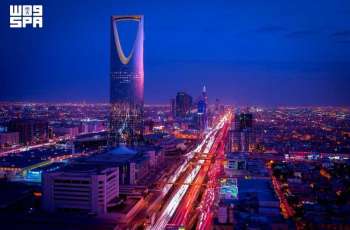
Riyadh hosted the second Esports World Cup in 2025, with ticket sales increasing by 53%. More than three million visitors attended, cementing the capital's status as a global hub for competitive gaming. The city also celebrated the opening of the first Sports Boulevard destinations, marking the first year of a landmark urban project designed to weave sport, health, and public life into the fabric of the capital.
The grassroots foundations of Saudi sport have expanded just as rapidly. Sports clubs offering multiple disciplines have grown to 133 clubs across 12 sports in 2025, up from just nine clubs in 10 sports in 2019. These clubs now employ 11,100 full-time staff, up from zero in 2019. Participation broadened too; 15,000 women ran in the Riyadh Marathon, up from 3,500 — a vivid symbol of how far community sport has come.
Entertainment and cultural life have blossomed alongside sports. Under the stewardship of the General Entertainment Authority, festivals, theaters, concerts, cinemas, cultural institutions, and creative industries have multiplied across the Kingdom. The year 2025 brought the opening of Six Flags Qiddiya City, the region's most ambitious theme park, and the announcement of JAX Film Studios, a major investment in the Kingdom's growing film industry.
Saudi Arabia's opening to the world continues. The tourist e-visa has made visiting easier than ever, encouraging millions of travelers to experience the Kingdom firsthand. Its culinary scene is earning international recognition, with 17 restaurants now featured in the Michelin Guide.
Even as it modernizes, Vision 2030 remains firmly committed to preserving Saudi Arabia's cultural heritage, traditions, and Islamic values. Eight Saudi sites are now inscribed on the UNESCO World Heritage List — already meeting the 2030 target. This is thanks, in part, to heritage preservation efforts embedded in giga-projects such as AlUla.
The Kingdom's role as the heart of the Islamic world has only deepened. In 2025, 18.03 million Umrah pilgrims arrived from outside Saudi Arabia, surpassing the 15 million target set for 2025, while the Makkah Route Initiative served 1.2 million pilgrims, an extraordinary rise from just 1,600 in 2017. The number of developed Islamic historical and cultural sites has grown to 18 in 2025, up from five in 2017, ensuring that the Kingdom's spiritual and historical legacy is protected for generations to come.
The social progress achieved under Vision 2030 — record workforce participation, empowered women and youth, rising homeownership, longer and healthier lives, and a thriving sports and cultural scene — represents one of the most rapid societal transformations of the modern era. As the Kingdom enters the next phase of Vision 2030, the focus will be on sustaining and deepening this momentum: expanding opportunity, enhancing wellbeing, and ensuring that every citizen and resident shares in the Kingdom's progress.
Ultimately, Vision 2030's success is measured not only through economic diversification and headline indicators, but through the daily experiences and opportunities available to Saudi citizens and residents — the jobs they hold, the homes they own, the health they enjoy, and the vibrant society they are building together.