AlUla, July (پاکستان پوائنٹ نیوز 16 يوليو 2026ء) The initiative forms part of a research partnership with KAUST, aimed at harnessing advanced technologies and environmental data analysis to support the protection of wild species and develop evidence-based conservation and sustainable management decisions for protected areas.
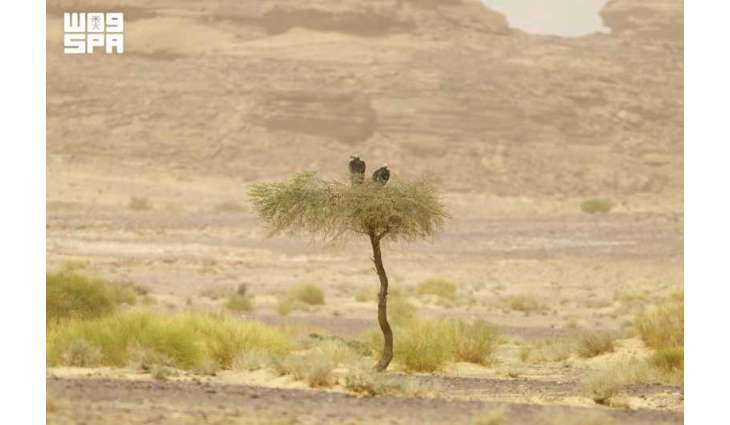
The program's fieldwork included the fitting of a solar-powered tracking device on a lappet-faced vulture, following the identification and monitoring of an active nest and the carrying out of the necessary veterinary examinations, before the bird was returned to its nest.
The program seeks to gather field data on the movements and behavior of the lappet-faced vulture following nest departure, contribute to the identification of important habitats, environmental requirements and movement corridors, and monitor areas of potential risk, in support of natural habitat protection efforts and the evidence-based development of protected area management.
The significance of the program lies in its capacity to provide field data that deepen understanding of the lappet-faced vulture's movements and environmental needs, supporting more precise future decisions for the conservation of the species and its natural habitats.
The program extends RCU's efforts to deploy modern technologies in the monitoring of wild species and the study of their behavior, utilizing data to support ecological studies, evaluate wildlife conservation programs, and guide protection efforts.
The lappet-faced vulture is among the largest vulture species within its geographic range and is classified as Endangered on the International Union for Conservation of Nature (IUCN) Red List. It is also regarded as an indicator species of ecosystem health, as its presence and successful breeding reflect the quality and balance of natural habitats. Vultures perform a vital ecological role in the removal of carrion and the recycling of nutrients, contributing to the maintenance of ecosystem balance.
Field monitoring results indicate that between 20 and 30 lappet-faced vultures are regularly recorded in AlUla, representing approximately 2.5% of the national population of this species. Four breeding pairs have been observed in the area during the current season, including the pair that raised the vulture fitted with the tracking device. The data generated by the program are expected to support studies relating to nesting sites, food sources, movement corridors, and areas of lower human disturbance, as well as future research and long-term planning for the management of AlUla's protected areas.
The program forms part of the Royal Commission for AlUla's work in the field of environmental monitoring and biodiversity, encompassing the monitoring of various wild species, the conduct of ecological studies, habitat restoration, and the deployment of modern technologies and research partnerships. It builds upon RCU's previous monitoring efforts across a range of living organisms, in support of biodiversity conservation, the sustainability of wild species, and the objectives of the Saudi Green Initiative and Saudi Vision 2030.