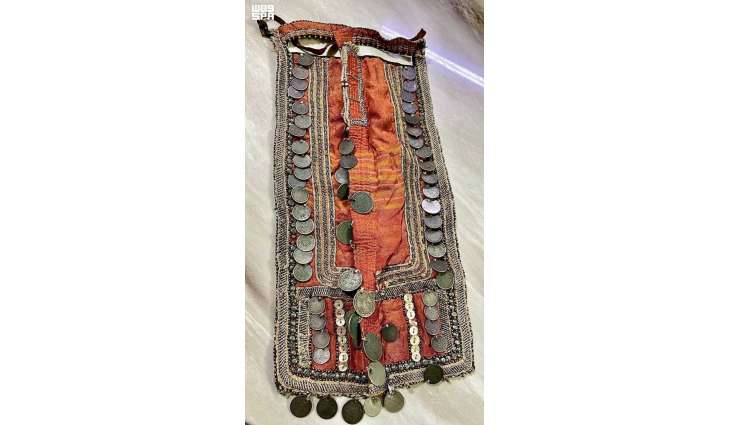
Makkah, June (پاکستان پوائنٹ نیوز 28 يونيو 2026ء) The burqa was made from luxurious black or red fabric with openings for the eyes, while its front was adorned with rows of carefully attached gold or silver coins, from which it derived its name and distinctive character that set it apart from other traditional burqas.
These coins were not merely decorative ornaments but represented part of a woman’s savings and jewelry. They were gradually added during happy occasions such as weddings, childbirth, and Eid celebrations, making the burqa a symbol of social status and financial prosperity, as well as aesthetic value.
Makkah artisans skillfully handcrafted the burqa, paying close attention to precise stitching and the harmonious arrangement of coins. Some families preserved it and passed it down from one generation to the next as a treasured heritage piece.
Although its use in daily life has declined, the burqa of coins continues to be featured at heritage festivals and cultural events as a testament to the authenticity of Makkah’s traditional attire. Specialists affirm that documenting and preserving such pieces contributes to safeguarding national identity and passing cultural heritage on to future generations.